September 2025
Some of the Most Common Pests Are Actually Very Helpful?
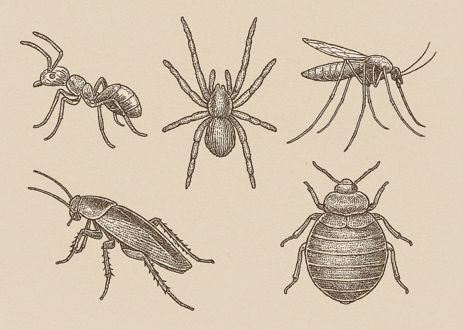
- Ants can be quite beneficial. They aerate the soil and improve water drainage which provides oxygen to plant roots. Food stashed in their nests makes the soil more fertile and many ants carry seeds to their nests where they germinate.
- Spiders, technically arachnids, are nature’s pest control agents. They feast on flies, mosquitoes, and other insects that bug you more than they bug them.
- Mosquitoes - especially their larvae - are a major food source for fish, amphibians, birds, bats, and many others. In some aquatic ecosystems, mosquito larvae make up a significant portion of the biomass. Without them, numerous other inhabitants of the pond would go to bed hungry. And did you know that male mosquitoes feed on nectar, not blood. They are not as efficient as bees, but thousands of plants rely heavily on mosquitoes to reproduce.
- Cockroaches feast on decaying matter. They break down materials and return nutrients to the soil, keeping ecosystems fertile and balanced. The assist in soil Aeration and are a staple part of the food chain for many birds, reptiles and small mammals. Chinese medicine and modern studies are finding quite a few uses for their anti-inflammatory and antioxidant properties. Extracts from cockroaches are being used to treat wounds, ulcers, and inflammation.
- Ladybugs aren’t just cute—they’re fierce aphid assassins. These spotted warriors protect your garden by munching on plant-damaging pests.
- Bed Bugs… well maybe these guys just need to burn. Most experts agree: if bed bugs vanished tomorrow, ecosystems wouldn’t flinch. They don’t pollinate, they don’t control other pests, and they don’t play a vital role in any known food chain. We’ll gladly go scorched earth on these guys.