
December 2025
Why wasps and bees show up in your home when it get's cold.
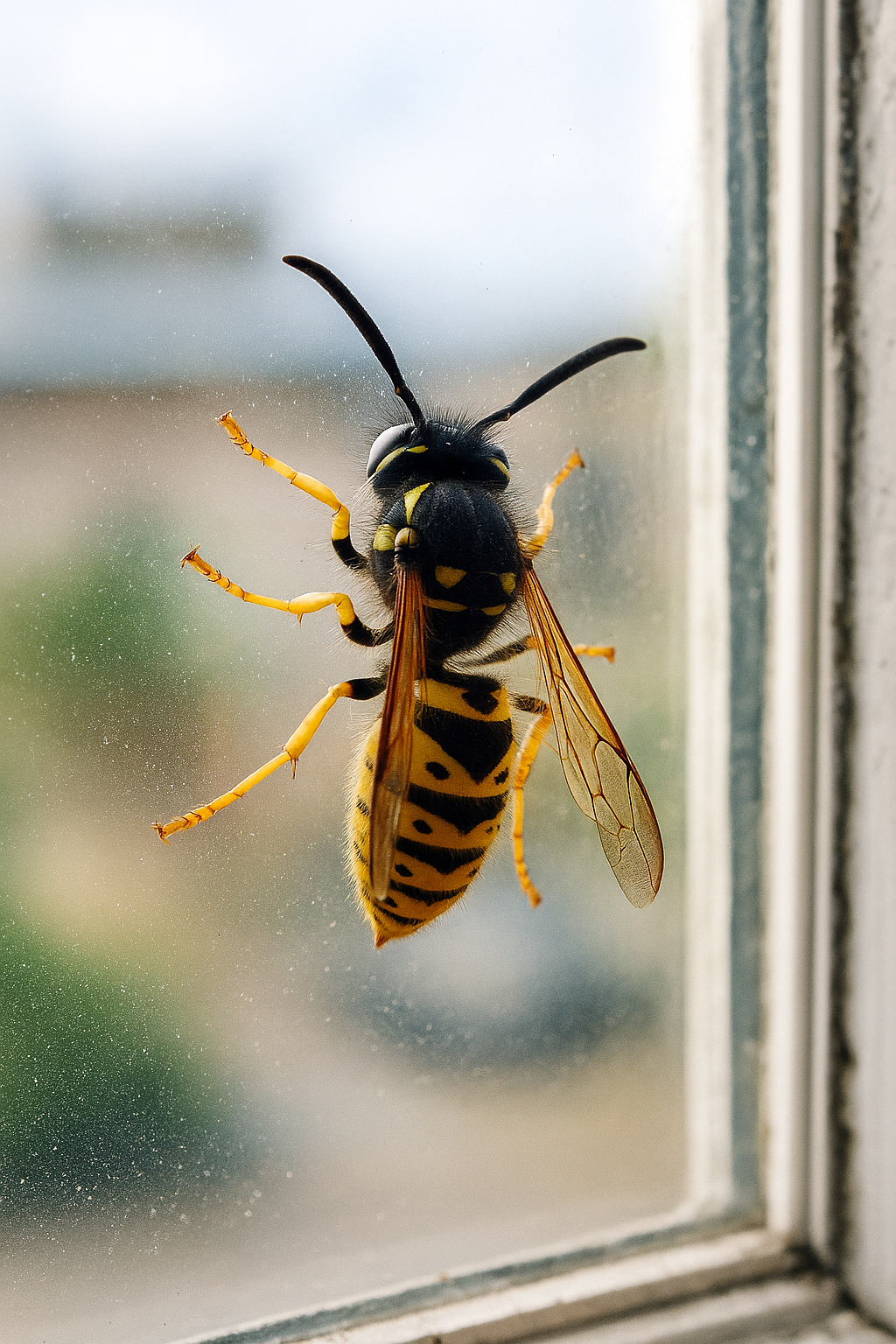
WASPS: When winter takes over, the wasp nest is abandoned by the dying colony. The Queen wasps will try to find sheltered spots for themselves, and when temperatures warm back up, they will start a new colony and a new nest. Some of the workers may also seek the warmth of your home as they try to survive outside the hive. But they know the end is near.
BEES: Unlike wasps, honeybees don’t abandon their colonies. They cluster together inside their hive, generating heat by vibrating their wings and feeding on stored honey. Occasionally, bees may wander into homes if their hive is disturbed. Or if we get the rare warm winter day, bees may wander out looking for those last few flowers and the warmth of your home can lure them in. Inside your home, They will struggle to survive and need to return to their hive. Help them to escape if you can.
BUMBLEBEES: Like wasps, most bumble bees die off in the winter while the queens seek out a warm place to hibernate. Some bumblebees, however, can be found actively foraging all winter long. You may find them looking tired and lethargic walking sluggishly along the pavement or grass. Feel free to rescue them by moving them to a warmer location.
SOME TIPS:
- Caulk entry points around windows, doors, pipes and vents.
- Inspect attics and garages for signs of nests or hibernating queens.
- Maintaining regular pest control service even in winter can also prevention these guys from wintering down rent free.
- Wasps emerging early from hibernation can become disoriented and aggressive.
Come spring, surviving wasp queens will start new colonies, and bees will emerge to pollinate. By keeping your home sealed and protected during winter, you’ll avoid unwanted buzzing roommates and ensure these insects stay where they belong—outside.